
Switchboard Upgrades
How Modern Switchboards Reduce Fire Risk:
A Technical Breakdown for Property Managers
Ensuring buildings are safe from fire hazards is the most important aspect of property management. Old electrical systems, in particular, are very dangerous and can cause serious harm. This blog explains how advanced technology and design can make switchboard upgrades safer. To make informed decisions, property managers responsible for residential or commercial spaces need to understand the technical details of switchboard upgrades. We show how important switchboard upgrades are for fire prevention by examining how electrical switchboards have evolved from traditional to modern designs. The main point here is the engineering ideas behind these changes, with a focus on why switchboard upgrades are important for reducing the risk of fire without sacrificing their usefulness.
Fire Risks in Legacy Electrical Systems
Older electrical switchboards installed decades ago use basic parts that aren't up to today's power needs. These systems usually have ceramic fuses and basic wiring setups that can get too hot under load. As electricity moves through old wiring, resistance builds, generating heat that can ignite nearby materials.
Bad connections in these kinds of electrical switchboards make the problem worse by causing arcing faults, where electricity jumps gaps and produces sparks hot enough to start fires. Property managers often deal with these kinds of problems in historic buildings where the original switchboard hasn't been updated.
Switchboard upgrades fix these problems by replacing old parts with new ones that work better. For example, switchboard upgrades include circuit breakers that trip right away when they sense an overload. This stops the heat buildup that happens in older systems. The risk of electrical fires stays high without switchboard upgrades, especially in homes where appliances are used more often.
Electricians say that you should have your wiring checked regularly to see when you need to upgrade your switchboard. This is because damaged insulation can cause short circuits. In Australia, where bushfire seasons make outside dangers worse, it's important not to forget about the dangers of old switchboards inside. Upgrading the switchboard not only makes the building safer, but it also meets current building codes that require strong electrical protection.
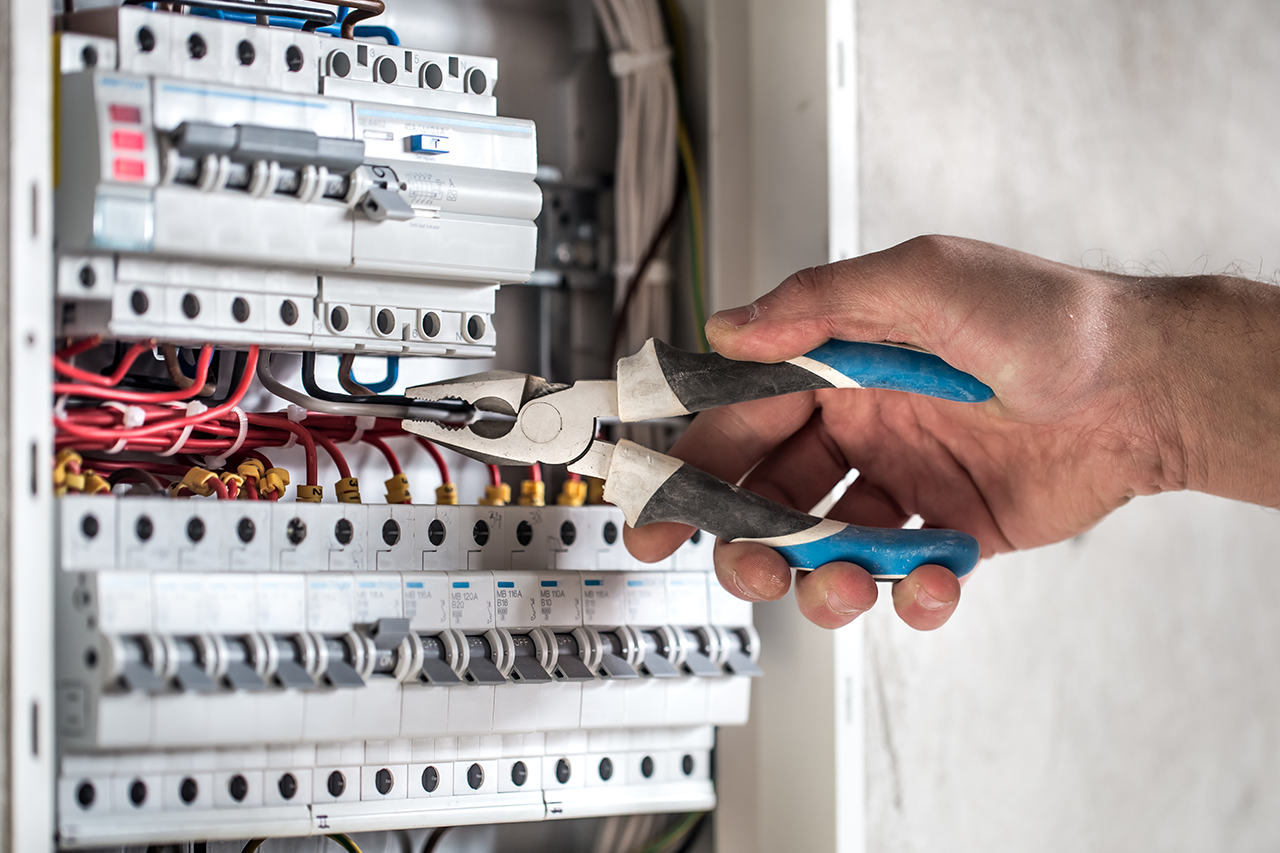
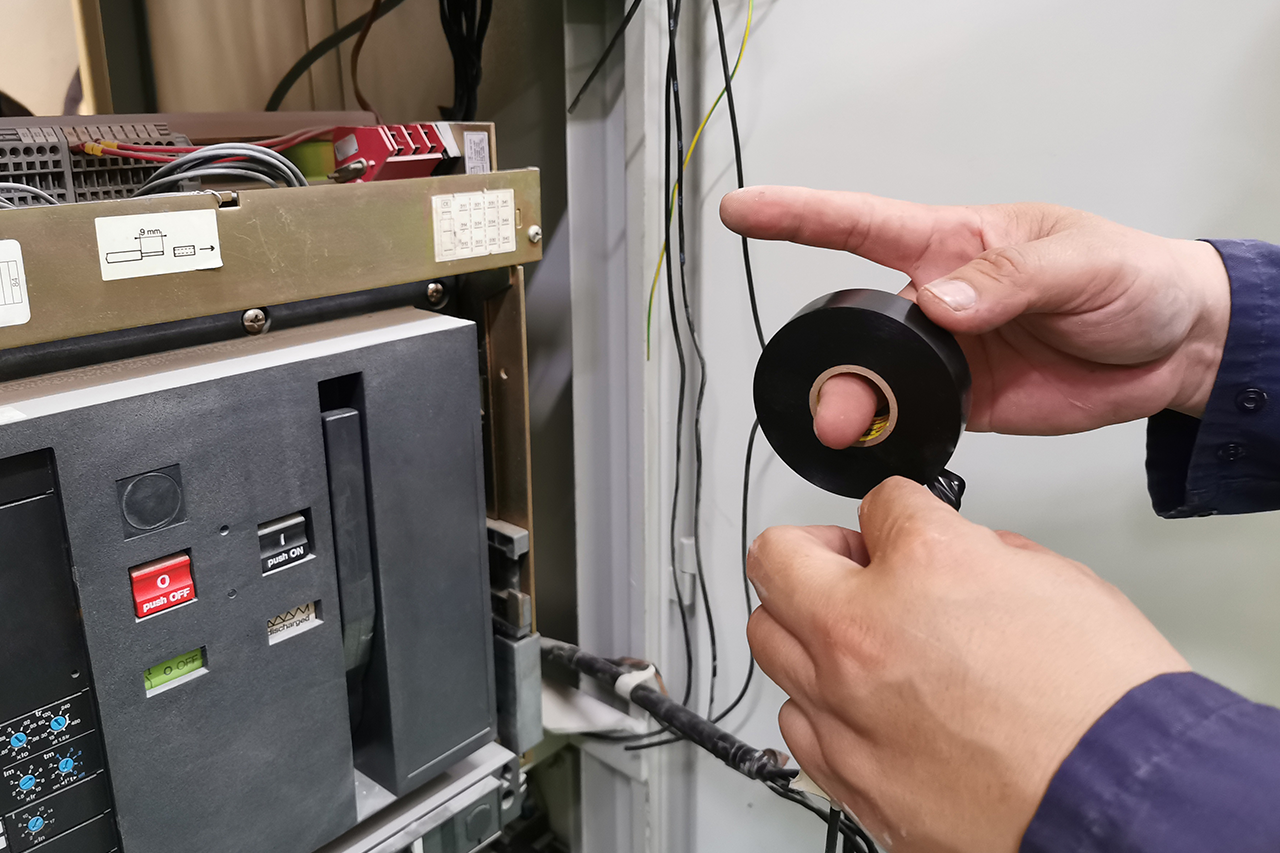
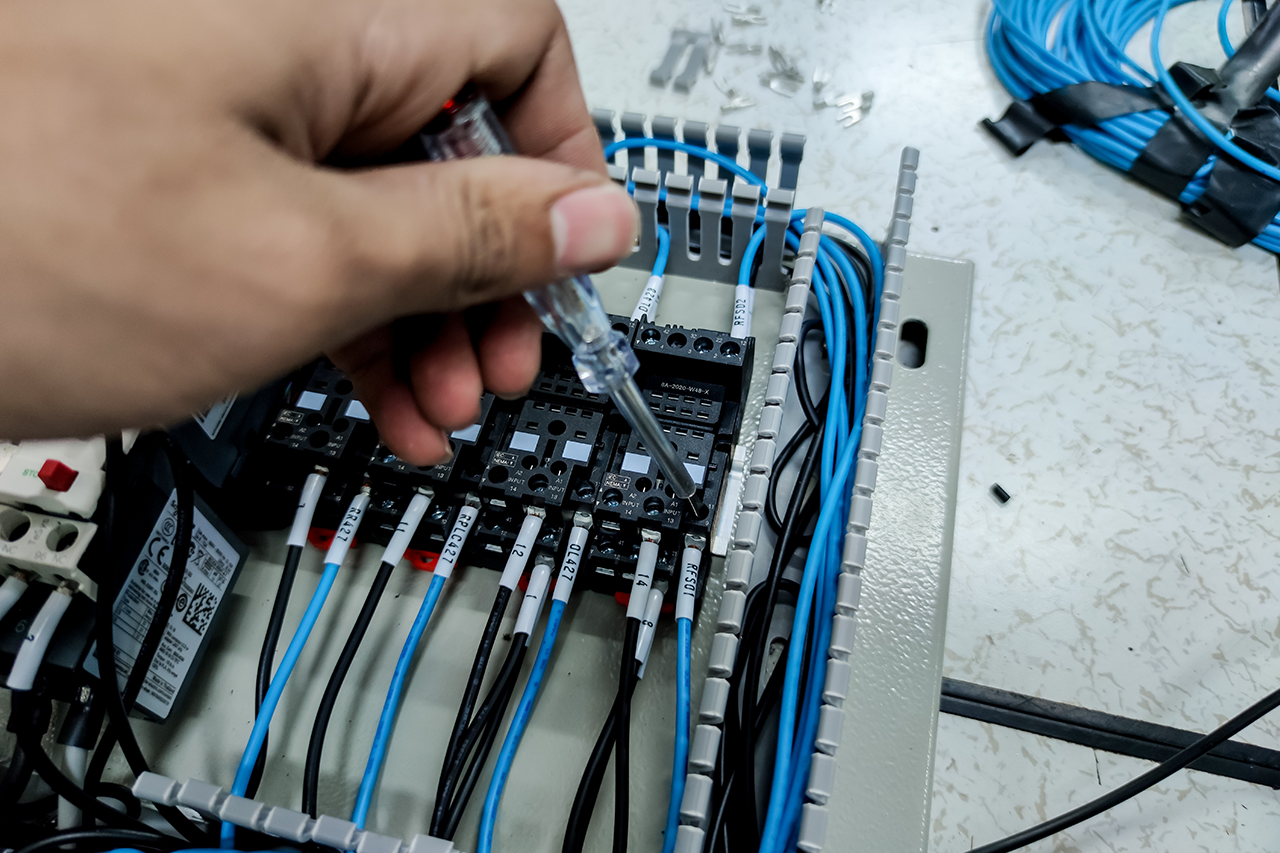
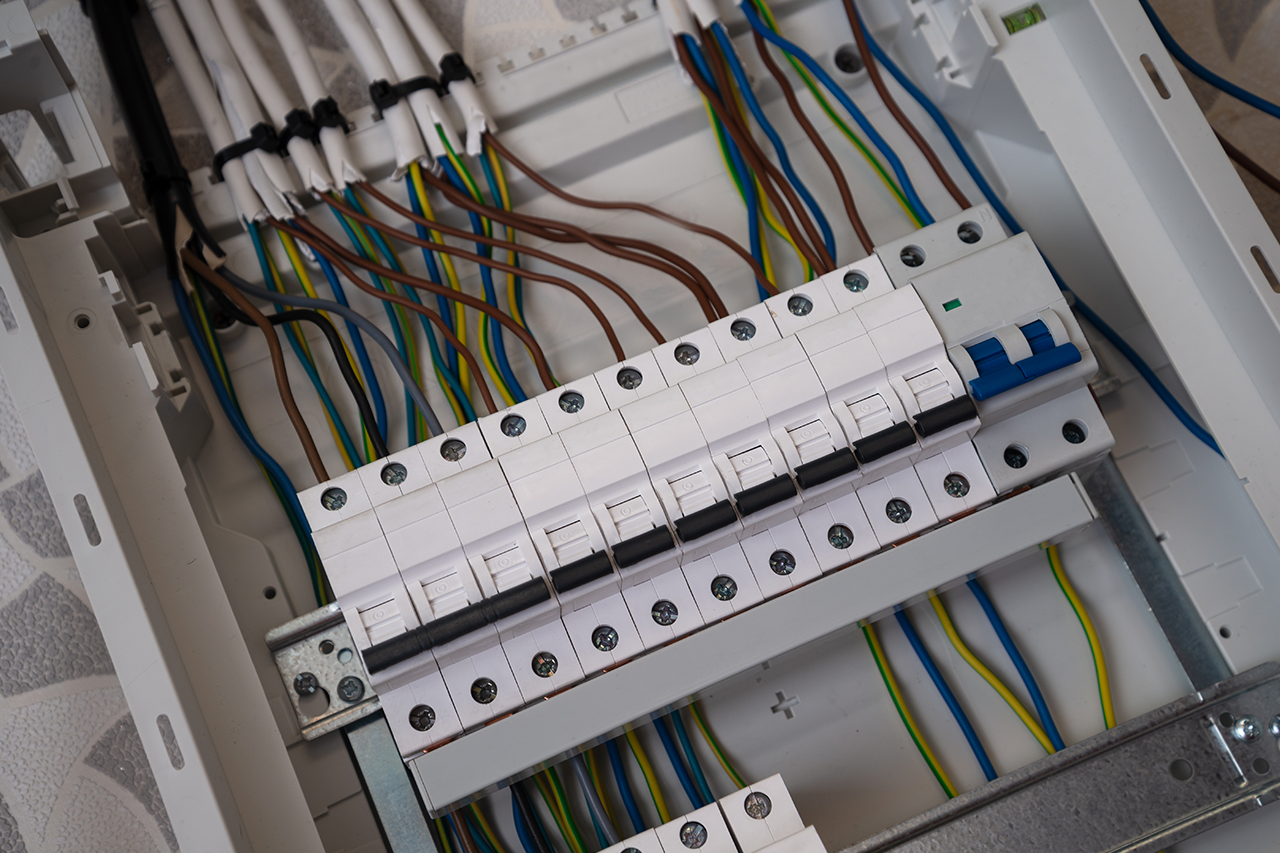
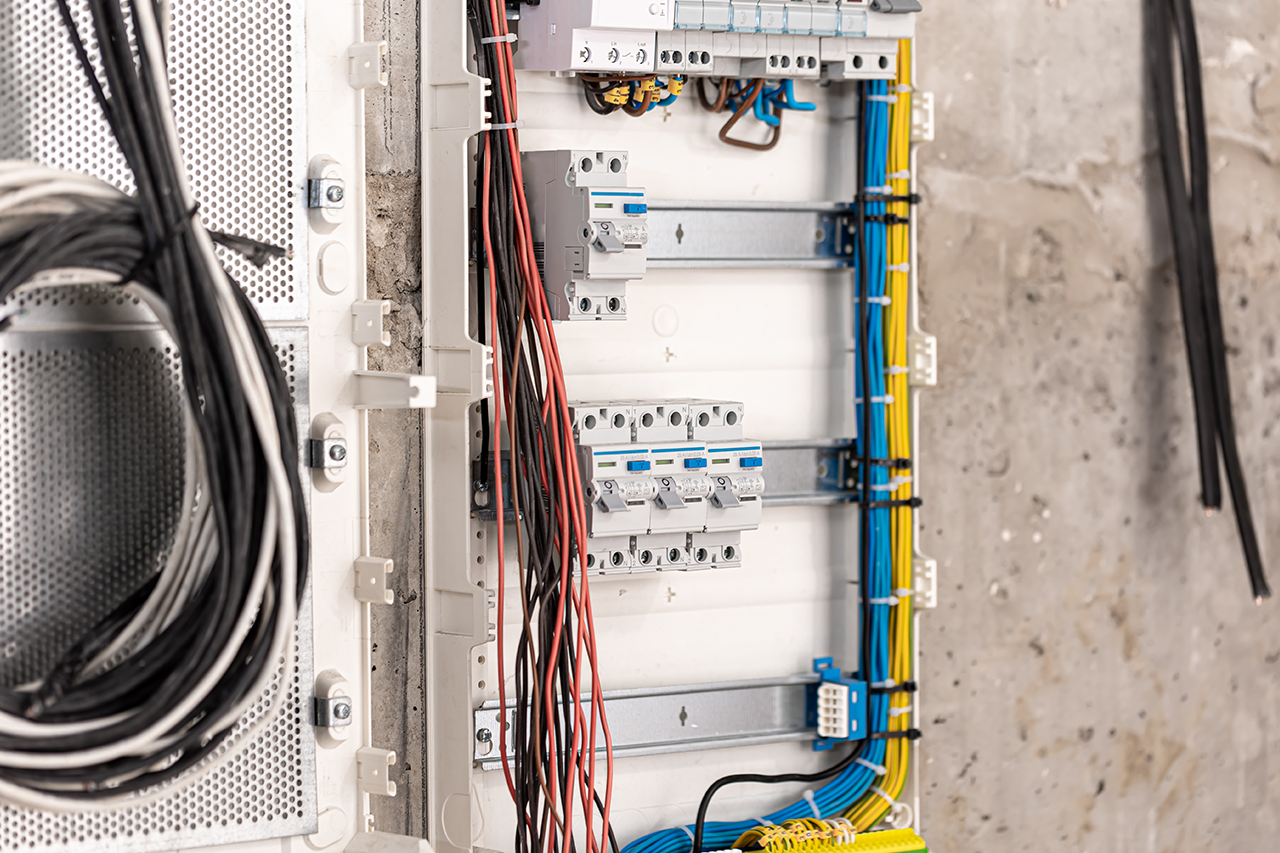

The Evolution of Switchboard
Design and Fire Mitigation
Modern switchboards are a big step forward in electrical engineering. They are made to resist fire. Modern electrical switchboards are made of non-combustible materials like flame-retardant plastics and metals that can handle high temperatures. This is different from older switchboards. This change in the materials used to upgrade switchboards greatly lowers the chance that a fire will spread if there is a problem inside the switchboard.
Also, switchboard upgrades often come with arc fault detection devices that keep an eye out for strange patterns in electricity that could mean a fire is about to start.
Property managers should know that adding residual current devices (RCDs) to switchboards is part of the upgrade process. RCDs can detect imbalances in the flow of electricity and trip the circuit breaker in milliseconds.
Many older switchboards don't have these parts, which makes them more likely to have earth faults that can shock or burn metal frames. Upgrading the switchboard ensures that these devices are standard, adding another layer of protection against fire hazards. Master electricians stress that switchboard upgrades must be tailored to the property's load profile, calculating the total electricity demand to avoid undersizing.
Switchboard upgrades lower the impedance in wiring, which lowers voltage drops that could cause power distribution to be less efficient and overheating. Studies have shown that commercial switchboards with these features can cut down on fires by as much as 50%.
Upgrading the switchboard also lets you separate circuits, which is useful for high-risk areas like kitchens or laundries where a lot of electricity is used. This separation stops a problem in one area from spreading to the whole electrical switchboard.
Key Technologies in Modern Switchboard Upgrades
When you look more closely at the parts, circuit breakers are the most important part of switchboard upgrades. These electromechanical devices take the place of fuses and provide resettable protection that doesn't need to be replaced after tripping. When you upgrade a switchboard, magnetic and thermal circuit breakers work together.
The magnetic part reacts to short circuits, and the thermal part handles overloads. This two-part system makes sure that the flow of electricity stops quickly, which stops heat from building up and starting fires.
Adding surge protection devices is another important part of upgrading a switchboard. Lightning strikes or changes in the power grid can cause temporary voltage spikes that damage the insulation on wires. This can cause breakdowns and fires over time. Switchboard upgrades help by sending excess electricity to ground, which keeps the electrical system working properly. Master electricians often install these when upgrading switchboards to ensure compliance with Australian Standard AS/NZS 3000.
Improvements to wiring are just as important as improvements to switchboards. Cross-linked polythene (XLPE) cables are used in modern installations because they don't melt as easily at higher temperatures as older PVC wiring. This change in wiring materials during switchboard upgrades makes it less likely that the insulation will fail when it is under stress.
These switchboard upgrades also come with better busbar designs, which spread electricity more evenly and get rid of heat more effectively. Property managers who upgrade their switchboards can expect these parts to last a long time. Circuit breakers, for example, are rated for thousands of operations without breaking down.
The Practical Implications for
Property Management
From a management point of view, upgrading the switchboard does more than just lower the risk of fire; it also makes the whole operation run more smoothly. Old switchboards in buildings with multiple tenants can cause frequent power outages, which are annoying for tenants and costly to fix. Switchboard upgrades prevent this by offering modular designs that make it easy to add more power as your needs grow. When electricians upgrade switchboards, they review the current setup to identify weak spots in the wiring or circuit breakers that could cause a fire.
Switchboard upgrades are mostly driven by compliance. In Australia, electrical switchboards must meet strict safety standards, and failure to comply can lead to insurance voids or legal problems. Master electricians ensure that switchboard upgrades comply with these rules. For example, they can add features such as built-in smoke alarms on the switchboard to help detect fires early. Switchboard upgrades also protect homes from future increases in electricity demand from smart home systems or electric cars.
Property managers often don't want to spend the money on switchboard upgrades, but they can save a lot of money in the long run. Lower fire insurance premiums and less work on wiring and circuit breakers offset the initial costs. Qualified electricians who do switchboard upgrades keep downtime to a minimum, so properties can keep running while the work is being done.
The Switchboard Upgrade Process:
A Step-by-Step Technical Overview
A master electrician must do a thorough audit before any switchboard upgrades can be made. This means checking the wiring for wear and tear, measuring electrical loads, and determining how much power the current switchboard can handle. The electrician makes a custom plan for upgrading the switchboard based on what they find. They choose the right circuit breakers and enclosures.
During installation, the old electrical switchboard is disassembled, and power is cut off to keep everyone safe. New parts are added, and the wiring is moved through conduits that make the building more fire-resistant. At this point, switchboard upgrades include checking for continuity and insulation resistance to ensure that electricity flows without excessive loss. Master electricians use specialised tools to set the trip curves on circuit breakers to ensure they work best for the property.
After the installation, switchboard upgrades are done with live testing. This proves that all safety measures work as intended, reducing the risk of fire from the start. Property managers get paperwork about the new switchboards, including diagrams for future use. It is recommended that electricians do regular maintenance to keep the benefits of switchboard upgrades.
Smart metres built into switchboard upgrades enable ongoing monitoring, which can alert you to unusual patterns in electricity use that could signal problems on the way. This proactive approach ensures that electrical switchboards remain fire-safe for years.
Prioritising Safety Through
Informed Upgrades
In short, modern properties need switchboard upgrades to lower the risk of fire. Property managers can protect their assets by replacing old, weak systems with new electrical switchboards that have circuit breakers, surge protection, and better wiring. Switchboard upgrades not only prevent overheating and arcing but also meet regulatory requirements. Hiring master electricians to upgrade switchboards makes sure that everything is done correctly and works.
In the end, spending money on switchboard upgrades makes the area safer, where electricity can work without the threat of fire. With this information, property managers can confidently move forward with switchboard upgrades that will improve both safety and value.