
Electrical Fitouts
What Every Healthcare Facility Needs to Know About Electrical Fitout Standards, from Isolation Transformers to Body-Protected Areas
In the complex world of healthcare facilities, ensuring electrical systems are safe and reliable is the most important factor. Medical electrical fitouts are very important for this, as they underpin everything from life-saving equipment to daily tasks. To keep patients, staff, and visitors safe from electrical hazards, these medical electrical fitouts must meet strict standards. As healthcare settings change, facility managers and administrators need to know the ins and outs of medical electrical fitouts.
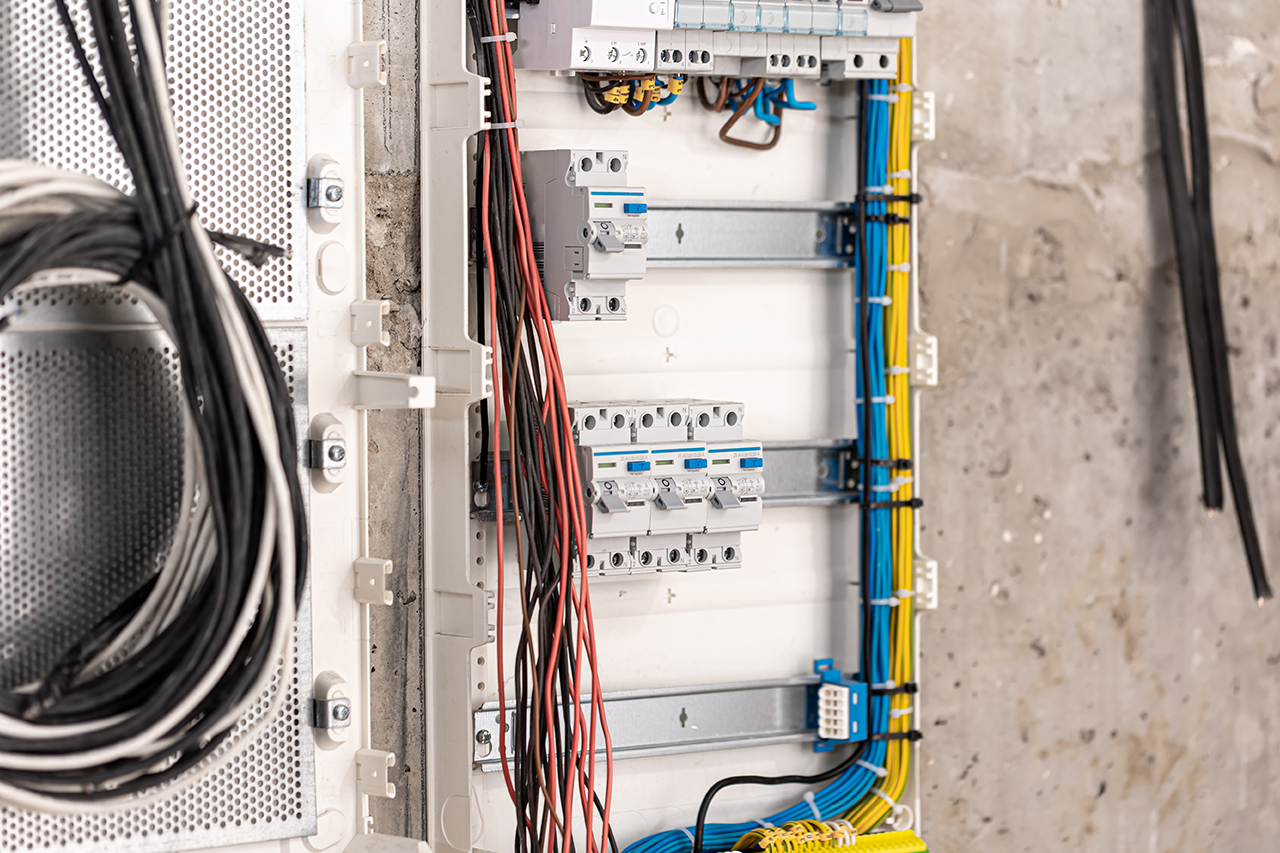
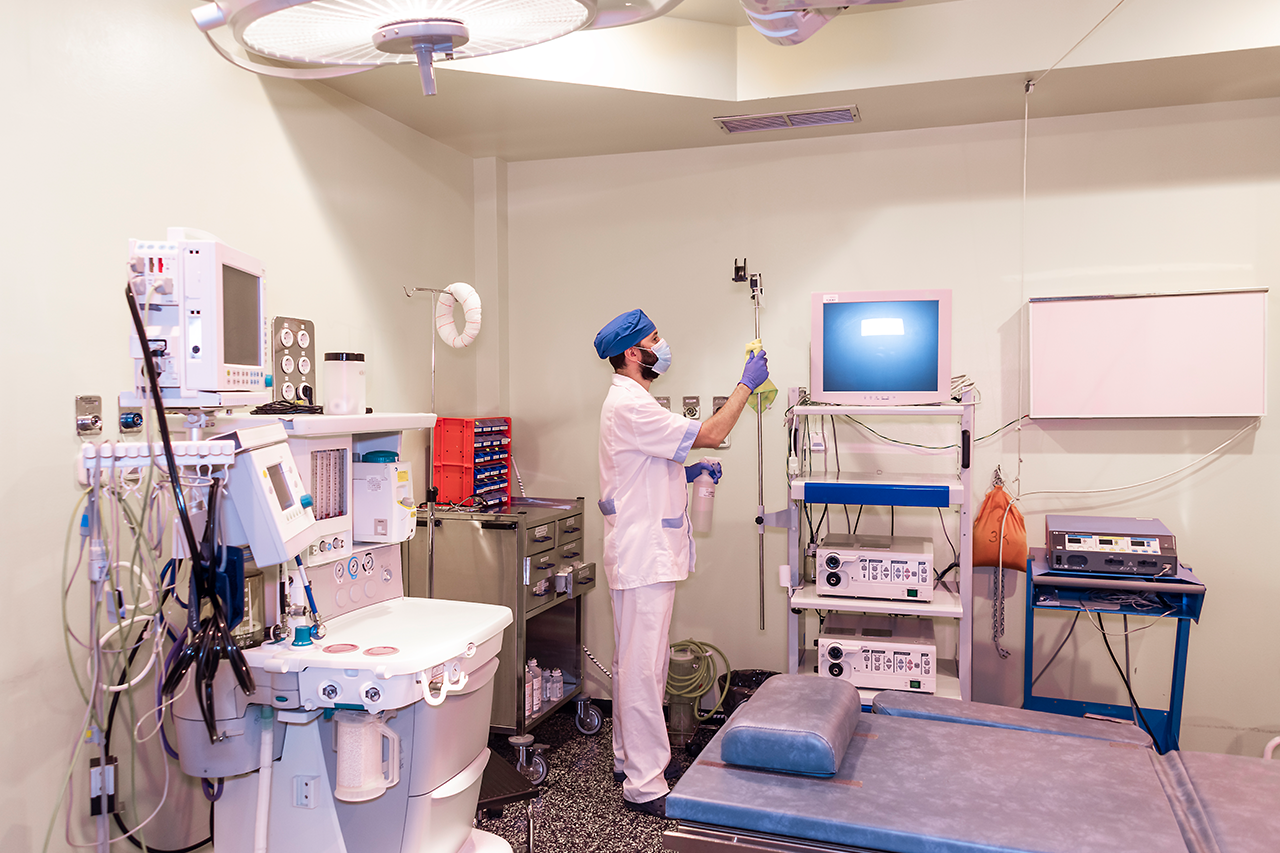
Medical electrical fitouts include planning, installation, and maintenance of electrical systems designed specifically for healthcare facilities. They ensure electrical services run smoothly, supporting clinical procedures without compromising safety. Standards like AS/NZS 3003 govern medical electrical fitouts in Australia. These standards outline the requirements for electrical fitouts in patient areas. These medical electrical fitouts aren't just about wiring; they also require significant planning to connect network cabling systems and other infrastructure. Owners of facilities need to know that bad medical electrical fitouts can pose serious risks, which is why they need to hire professional electrical contractors.
The Value of Safety and Compliance
in Medical Electrical Fitouts
All medical electrical fitouts are designed with safety and compliance in mind. Healthcare facilities could have electrical problems that could put lives in danger if they don't strictly follow the rules. Fitouts for medical electrical equipment must include ways to keep patients safe from shocks, fires, and equipment failures, especially in clinical settings where patients may be at risk. Standards such as AS/NZS 3000 and AS/NZS 3003 emphasise safety and compliance and require specific designs for electrical fitouts in medical areas.
For example, medical electrical fitouts need to be regularly checked to ensure they are safe and in compliance with code. Electrical contractors working on health projects know that failing to follow the rules can lead to legal problems and lost time on the job. When planning projects involving medical fitouts, electricians assess the risks associated with electrical services to ensure safety and compliance are built in from the start. This proactive approach to medical electrical fitouts helps prevent problems, making the clinical care environment safer.
In addition, safety and compliance in medical electrical fitouts also include the use of cutting-edge technologies. For example, network cabling systems need to be installed correctly so that medical applications that use a lot of data can work. Electrical fitouts that don't take these things into account can cause problems with services, which can affect how well patients do. For long-term sustainability of health facilities, it's important to invest in robust medical electrical fitouts.

Isolation Transformers: A Core Component
of Medical Electrical Fitouts
Isolation transformers are necessary for medical electrical fitouts because they protect against electrical leakage. These devices separate the power supply, reducing the risk of macro-shock in equipment connected to patients. In medical electrical fitouts, isolation transformers are especially important in areas where invasive procedures are performed, as they prevent fault currents from reaching safe levels.
To install isolation transformers in medical electrical fitouts, you need skilled electricians who know the ins and outs of health-specific electrical services. When it comes to medical electrical fitouts, AS/NZS 3003 often requires the use of isolation transformers. This makes sure that the electrical fitouts meet strict safety standards. If isolation transformers are not installed correctly, they may not work, potentially damaging the entire system.
In hospitals, medical electrical fitouts that include isolation transformers make things more reliable. They prevent ground faults from affecting sensitive medical devices, maintaining safety and compliance. Electrical contractors who do these kinds of installations must check the ratings and connections of transformers during medical fitouts to avoid problems later. This level of care in medical electrical fitouts protects both patients and staff.
Body-Protected Areas: Enhancing Protection
in Medical Electrical Fitouts
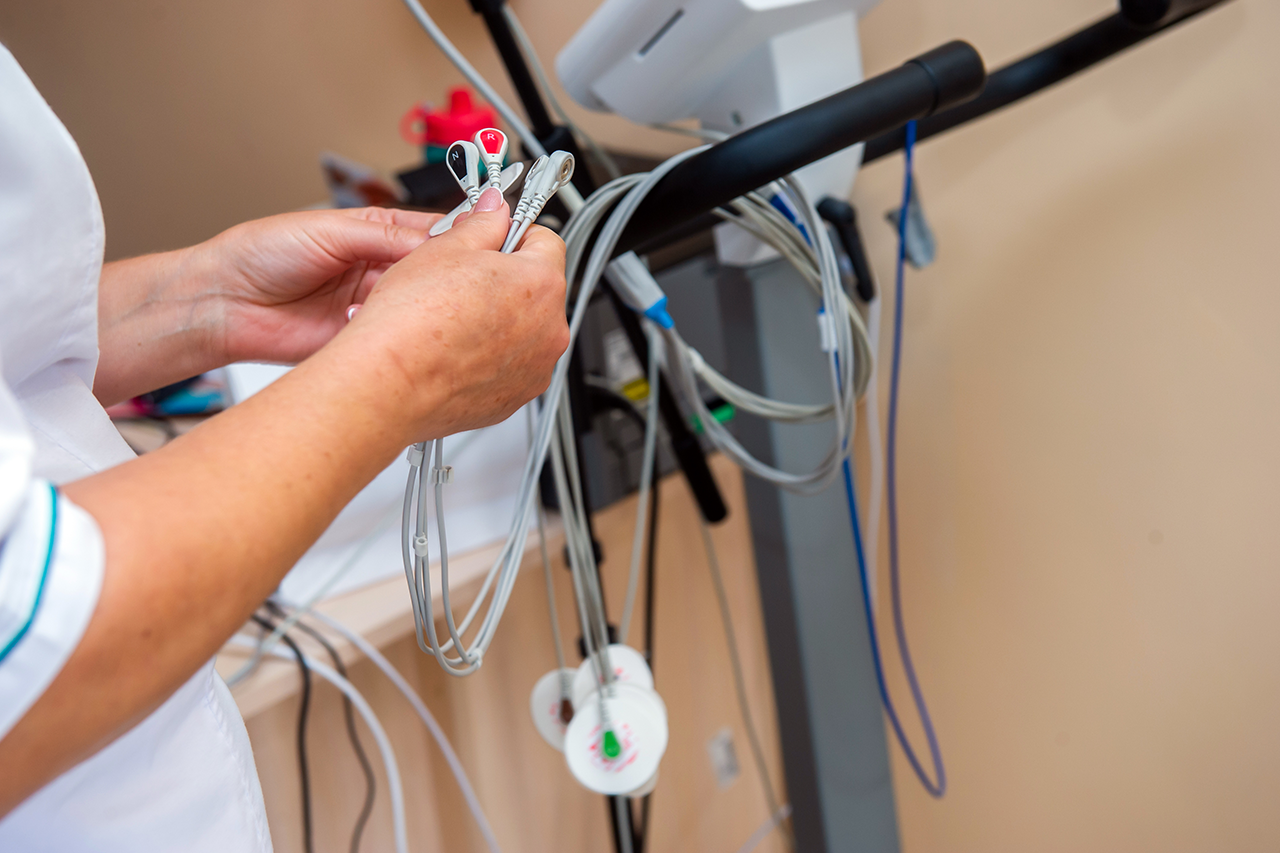
Body-protected areas are an important type of medical electrical fitout that is meant to reduce electrical risks in areas where patients are not having heart surgery. According to Australian standards, these areas need medical electrical fitouts that include equipotential earthing and residual current devices (RCDs). The goal is to keep the body safe from accidentally touching live parts. Body-protected areas are very important in general wards and outpatient clinics.
When setting up medical electrical fitouts with body-protected areas, you need to plan the electrical services carefully. Electricians must make sure that all the wiring and outlets in these areas meet safety and compliance standards. When planning medical fitouts, body-protected designations are often the most important consideration. To keep interference from happening, network cabling systems in these areas must also be shielded and work well with the rest of the electrical fitouts.
Safety and compliance necessitate comprehensive testing of medical electrical installations in body-protected zones following installation. This includes checking the trip times of the RCD and the continuity of the earthing. Electrical contractors who have worked on health installations know that skipping these checks can be dangerous. So, strong medical electrical fitouts in areas that protect the body are a big part of a facility's risk management plan.
Cardiac-Protected Areas: Better Safety Features
in Medical Electrical Fitouts
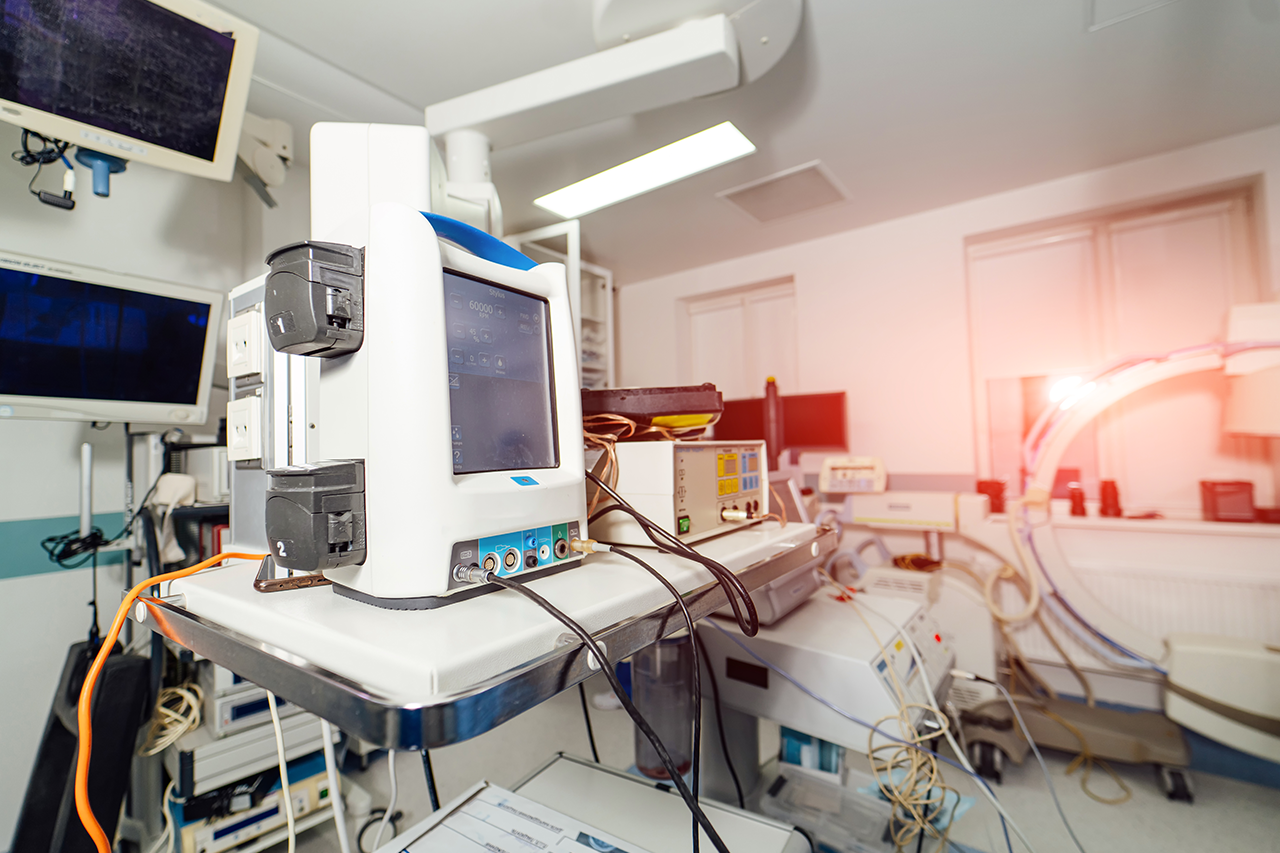
Medical electrical fitouts must have cardiac-protected areas in places where there is a lot of risk, like operating rooms and intensive care units. These places need even more protection. They use line isolation monitors and isolation transformers to find micro-shocks that could hurt the heart. Medical electrical fitouts in cardiac-protected areas must make sure that there is no way for electrical signals to mess with the heart's rhythms.
Electricians and medical professionals need to work together to design medical electrical fitouts for areas that protect the heart. The electrical work on these projects is designed to support life-saving equipment, with a focus on redundancy and fail-safes. Here, safety and compliance are even more important. Standards say that medical electrical fitouts must be checked regularly to make sure they still work.
In the real world, medical electrical fitouts for areas that protect the heart use advanced network cabling systems to handle data from real-time monitoring. Electrical contractors need to be very good at these kinds of fitouts because mistakes in installation could have serious effects. Health facilities that put money into medical electrical fitouts like these show that they care about their patients' safety.
The Role of Installation and Projects
in Medical Electrical Fitouts
The installation process is the most important part of a successful medical electrical fitout. Installations must be done with care, from the first surveys to the final commissioning. Medical electrical fitout projects can take months to finish, so electrical contractors, architects, and facility managers need to work together. These projects stress how important it is to connect electrical fitouts with building structures so that clinical operations aren't interrupted too much.
Certified electricians who work in health environments are needed for proper installation in medical electrical fitouts. They take care of everything from wiring to network cabling systems, and they stick to deadlines even on complicated projects. Medical fitouts need to include future-proofing in their installations so that electrical services can be upgraded without major changes.
Also, medical electrical fitout projects need to set aside money for compliance testing during installation. This makes sure that all parts meet Australian standards, which saves money on rework. Electrical contractors are very important to these projects because they know the best ways to do medical electrical fitouts.
Hiring Electricians and Electrical
Contractors for Medical Fitouts
Choosing the right electricians and electrical contractors is very important for medical electrical fitouts. These experts have the specialised knowledge needed for health-related projects, which guarantees that electrical services are done perfectly. Electricians trained in medical fitouts know how to meet the needs of clinical settings, such as installing isolation transformers and setting up body-protected areas.
Electrical contractors in charge of medical electrical fitouts work with many different trades to make sure that everything fits together well. Because they have worked on similar projects before, they know how to deal with regulatory issues while keeping everyone safe and following the rules. Facilities that are doing medical fitouts should work with reputable electrical contractors to lower risks and improve results.
In short, electricians and electrical contractors are the most important people for making medical electrical fitouts work well and getting projects done on time.
Putting Medical Electrical Fitouts First
for Healthcare That Will Last
Medical electrical fitouts are necessary for modern healthcare facilities because they connect technology and patient safety. These parts make up a complete system, from isolation transformers that protect against shocks to body-protected areas that protect weak areas. Facilities can get the most out of their electrical services by following strict safety and compliance rules and hiring experienced electricians to do the work.
In the end, spending money on high-quality medical electrical fitouts not only meets standards but also improves clinical care, making sure that health environments stay safe and efficient for many years to come.